
frameless led mirror
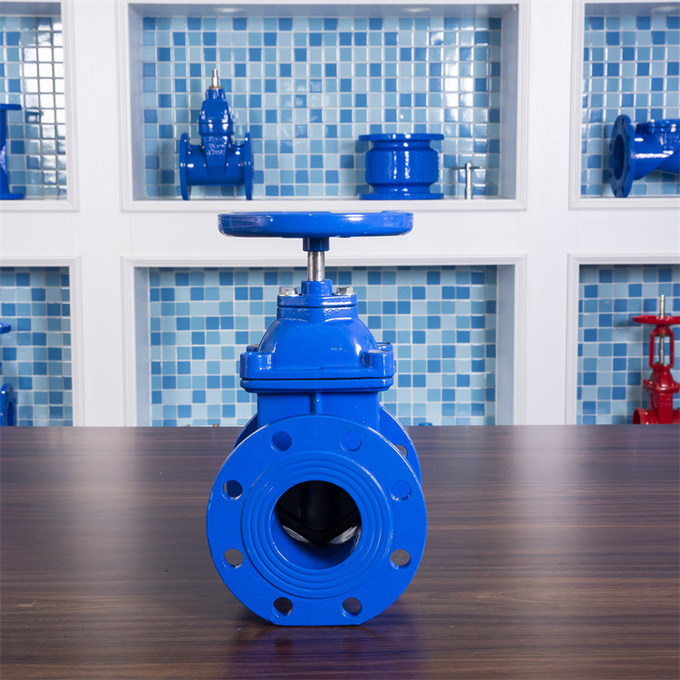
Control valves are essential in regulating pressure, flow, and direction within fluid systems. From pressure control valve types to specialized options like a control valve 1/2 inch , these components ensure precise operation in industrial, hydraulic, and mechanical systems. This guide explores control valve types and applications to help you choose the right one for your needs. Control Valve and Its Types A control valve regulates fluid flow, pressure, or temperature in a system by adjusting the valve opening. These are the common control valve types : Globe Control Valves : Ideal for throttling and flow control applications. Ball Control Valves : Known for their durability and quick shut-off capabilities. Butterfly Control Valves : Lightweight and suitable for large systems. Diaphragm Control Valves : Frequently used in corrosive or clean environments. For smaller pipelines, a control valve 1/2 inch or 1/4 flow control valve offers precise regulation, while larger systems benefit from sizes like the 3/4 flow control valve . Pressure and Flow Control Valve Types Pressure control valve types ensure consistent pressure levels in a system, preventing damage to equipment. These include: Relief Valves : Release excess pressure from the system. Reducing Valves : Maintain lower, stable pressure downstream. Similarly, flow control valve types regulate the volume of fluid passing through the system. Common options include: Needle Valves : Provide fine control over flow rates. Rotary Valves : Offer efficient flow adjustment for larger systems. A 1/2 flow control valve or 3/4 flow control valve is often used in hydraulic systems for precise operation, while a 1/4 flow control valve is suitable for smaller, specialized tasks. Control Valve in Hydraulic System Applications A control valve in hydraulic system manages fluid flow to power machinery and ensure efficient operation. Key applications include: Directional Control Valves : Direct fluid flow to different parts of the hydraulic system. Proportional Valves : Adjust flow or pressure proportionally to meet system demands. Servo Valves : Provide precise control for complex operations. Hydraulic systems often require compact and efficient valves like the 1/2 flow control valve to regulate flow in smaller circuits. Larger hydraulic systems might use a 3/4 flow control valve for greater capacity. From pressure control valve types to specific flow control valve types , understanding the various options ensures optimal performance for your system. Whether you're managing a control valve in hydraulic system or seeking a control valve 1/2 inch for precision tasks, selecting the right valve is critical for reliable and efficient operation.
about
frameless led mirror
Understanding Taper Plug Gauges A Precision Tool for Quality Control In the realm of manufacturing and quality assurance, the importance of precise measurements cannot be overstated. One tool that has managed to hold its ground in ensuring dimensional accuracy is the taper plug gauge. This specialized gauge is designed to assess the internal diameters of holes and other geometrical features with a level of precision that plays a critical role in the production of parts and components across various industries. What is a Taper Plug Gauge? A taper plug gauge is a type of gauge used to check the size and form of a tapered hole. It comprises a cylindrical shaft that is slightly tapered along its length. The tapering allows the gauge to assess not only the hole diameter but also its tapering angle. This makes the taper plug gauge essential for applications where tapered fittings are used, such as in hydraulic systems, automotive components, and aerospace parts. Design and Structure The design of a taper plug gauge typically features two main sections the tapered portion and the handle. The tapered section is precision-engineered to allow for a snug fit when inserted into a corresponding tapered hole. The difference in diameter at the larger and smaller ends of the taper provides an effective means to gauge the size and conformance of the hole. Most taper plug gauges are made from high-quality materials such as tool steel and are frequently coated to enhance durability and resistance to wear. Surface finishes are also a critical consideration as they can affect the gauge’s ability to measure accurately . Calibration and Standards taper plug gauge To ensure that taper plug gauges provide reliable measurements, they must be properly calibrated. Calibration involves adjusting the gauge by comparing it to a standard reference. This process is vital because even minor deviations can lead to significant errors in the production process. Many industries follow strict standards set by organizations such as the International Organization for Standardization (ISO) and the American National Standards Institute (ANSI), which dictate specifications for gauging tools. Applications in Various Industries Taper plug gauges find applications in a multitude of industries. In the automotive sector, they are frequently used to check the fit of components like valves and shafts. Ensuring that these parts fit together correctly is vital for the safety and performance of the vehicle. In aerospace manufacturing, precision is paramount. Taper plug gauges are employed to verify the integrity of fittings and other crucial components to ensure that they can withstand the extreme conditions experienced during flight. The tool is also utilized in the production of medical devices, where dimensional accuracy can literally be a matter of life and death. Ensuring that parts fit together correctly affects not only the functionality of devices but also patient safety. Conclusion In conclusion, the taper plug gauge serves as an indispensable tool in the manufacturing landscape, providing a reliable means to ensure that internal diameters of tapered holes meet the required specifications. Its design, coupled with the attention to calibration and standards, makes it a vital instrument in maintaining quality control across various industries. As manufacturing processes continue to evolve and demand higher precision, tools like the taper plug gauge will remain critical in connecting the intricate links between design intent and practical execution.
-

High quality industrial productsagement

High quality industrial products
View Details -

Meet the diverse needs of customers

Meet the diverse needs of customers
View Details -

Strict quality control

Strict quality control
View Details -

Top raw materials

Top raw materials
View Details -

Trusted supplier

Trusted supplier
View Details
Our application

news and information
Vibrationspads
Vibrationsdämpfer Die Bedeutung von Vibrationspads in verschiedenen Anwendungen In der heutigen Welt
Y filtre en fonte
Le Strainer Y en Fonte Un Équipement Indispensable pour l’Industrie Dans le domaine de l’industrie,

working thread plug gage
Understanding Working Thread Plug Gages Importance and Applications In the world of manufacturing an
 English